Things to Do in Parap, Darwin: The Local Guide
Plan a Darwin day from Parap with spring-fed swimming, harbour attractions, aviation history, crocodiles, tropical gardens and sunset foreshore walks.
By Darwin Spots · 19 June 2026
# Things to Do in Parap, Darwin: The Local Guide
Parap is a useful starting point for exploring Darwin, but the best experiences connected with the suburb are spread across the Top End capital and beyond. A day here can mean heading south to a spring-fed swimming hole, spending an afternoon on the harbour, or using the city’s museums, parks and beaches to understand what makes Darwin different from other Australian capitals.
This guide focuses on the places worth building a visit around, from natural swimming spots and family recreation areas to aviation history, crocodiles and easy coastal walks. Some are in the Darwin CBD or northern suburbs rather than Parap itself, so think of it as a local guide to the wider Darwin experience rather than a strictly walkable suburb itinerary.
Start with the water: springs, lagoons and family splash zones
Berry Springs Nature Park
Around an hour south of Darwin, Berry Springs Nature Park is one of the Top End’s most popular natural swimming spots. Its clear, spring-fed pools sit among monsoon rainforest and paperbark woodland, making the journey worthwhile when the tropical heat calls for a proper swim rather than a quick break in the shade.
The setting is the main attraction: this is a natural series of pools rather than a manicured aquatic centre, with rainforest and paperbark country providing the backdrop. It has long been a favourite day trip for Darwin locals and visitors, so it suits anyone looking for a refreshing escape with a distinctly Top End feel. Allow enough of the day for the drive and the park experience rather than treating it as a quick stop in a city itinerary.
Howard Springs Nature Park
Howard Springs Nature Park offers another spring-fed swimming experience in the rural area south-east of Darwin. The shady monsoon forest and cool water make it a welcome change from the tropical heat, while the relaxed, family-friendly character gives it an easygoing feel for a picnic and a swim.
With 760 reviews behind its 4.4 rating, it is clearly well known among locals and visitors. Howard Springs is a good choice when you want a nature outing without the scale of a full day trip to a more distant attraction. The combination of water, shade and forest is the reason to go; it is less about ticking off a formal attraction and more about settling into a cooler pocket of the Top End.
Darwin Waterfront Precinct
For a city-based water day, head to the Darwin Waterfront Precinct on Kitchener Drive beside the harbour. It brings several types of outing together: the safe swimming lagoon, the Wave Lagoon, restaurants, bars, parklands and the convention centre all sit within the same redeveloped waterfront area.
That mix makes it particularly useful when a group cannot agree on one activity. Some people can swim, others can find a shaded place to relax, and there are places to eat without leaving the precinct. It is also a straightforward way to get a taste of Darwin’s harbour setting without committing to a longer coastal trip.
Leanyer Recreation Park
Leanyer Recreation Park is one of the strongest family options in Darwin’s northern suburbs, particularly because so much is gathered in one free recreation reserve. There is a water park with slides and splash areas, as well as a skate park, BMX track, playgrounds and barbecue areas.
The appeal is practical as much as recreational: children have several ways to burn off energy, while adults can make use of the picnic and barbecue areas. The water facilities are especially welcome in Darwin’s tropical climate. It is a better fit for an active family outing than a quiet wander, and the range of facilities means it can work even when not everyone wants to do the same thing.
Understand Darwin through its history and wildlife
RFDS Darwin Tourist Facility
At Stokes Hill Wharf on the waterfront, the RFDS Darwin Tourist Facility combines two major Darwin stories. One part explores the history of the Royal Flying Doctor Service and its role as a lifeline across outback Australia; the other brings the WWII Bombing of Darwin to life through immersive technology.
That pairing gives the attraction more depth than a single-subject museum visit. It connects the practical realities of remote Australia with one of the defining events in the city’s history. Go here when you want context for the region, particularly if you are interested in how distance, aviation and wartime history have shaped life in the Northern Territory.
Darwin Aviation Museum
The Darwin Aviation Museum on the Stuart Highway at Winnellie tells the aviation story of the Top End, including Darwin’s frontline role during World War II. Its standout exhibit is a colossal B-52 bomber, one of very few on display outside the United States, and it provides an immediate sense of the scale of the collection.
The museum is worth choosing for the aircraft themselves as well as the regional history around them. It gives the city’s wartime past a physical presence, with the B-52 acting as the obvious centrepiece. This is a particularly good stop for anyone who prefers substantial exhibits to a short, atmospheric visit.
Crocosaurus Cove
On Mitchell Street in the heart of the Darwin CBD, Crocosaurus Cove puts the Top End’s most famous animal front and centre. The attraction is home to saltwater crocodiles, reptiles and other wildlife, with the renowned ‘Cage of Death’ croc dive offering the most extreme version of the experience: an up-close encounter with a crocodile from inside a cage.
Even without choosing the dive, the attraction makes sense for visitors who want to see the reptiles associated so strongly with northern Australia in a central city setting. It is a straightforward addition to a CBD day, especially if you are already exploring Mitchell Street’s dining and entertainment strip.
The Croc Bus
The Croc Bus operates from Darwin City and offers a guided way to explore wildlife and attractions across the Top End. Its value is in the combination of local knowledge and convenience: rather than piecing together a regional outing yourself, you can experience the landscape and its wildlife with a guide leading the way.
Choose it when you want more than a single attraction, or when you would rather have the logistics handled as part of a guided trip. The focus on crocodiles and the Top End’s natural surrounds makes it a useful introduction for visitors who are still getting their bearings in the region.
Parks, gardens and the Darwin coastline
George Brown Darwin Botanic Gardens
The George Brown Darwin Botanic Gardens, in The Gardens just outside the CBD, are a lush green counterpoint to the city’s built-up areas. Dating back to the 19th century, the gardens showcase tropical and monsoonal plants across landscaped grounds.
This is the place to slow down. The plant collection and tropical setting provide a calmer experience than the waterfront attractions or wildlife venues, while the gardens’ history gives the visit a sense of place. It suits a quiet walk, an interest in tropical planting, or simply an hour spent in a green oasis close to the city.
Bicentennial Park
Stretching along the Esplanade in the CBD, Bicentennial Park combines harbour views with lawns, walking paths, memorials and shady tropical trees. It is an easy choice when you want outdoor space without leaving the city centre.
The park is especially useful as a low-key break between indoor attractions. Walk the paths, take in the harbourfront setting and spend time under the trees rather than treating it as a destination that needs a packed schedule. Its memorials also make it more than just a scenic patch of grass.
St Mary’s Star of the Sea Cathedral
On Smith Street in the Darwin CBD, St Mary’s Star of the Sea Cathedral is a significant city landmark with distinctive tropical architecture and a peaceful interior. Its importance is both historical and local, making it worthwhile whether you are interested in religious buildings, Darwin’s architectural character or a quiet moment away from the busier streets.
It is a compact cultural stop that pairs naturally with a CBD walk. Come for the architecture and atmosphere rather than expecting a large attraction; the cathedral’s value is in its sense of place and its calm interior.
Nightcliff Beach and Nightcliff Foreshore Park
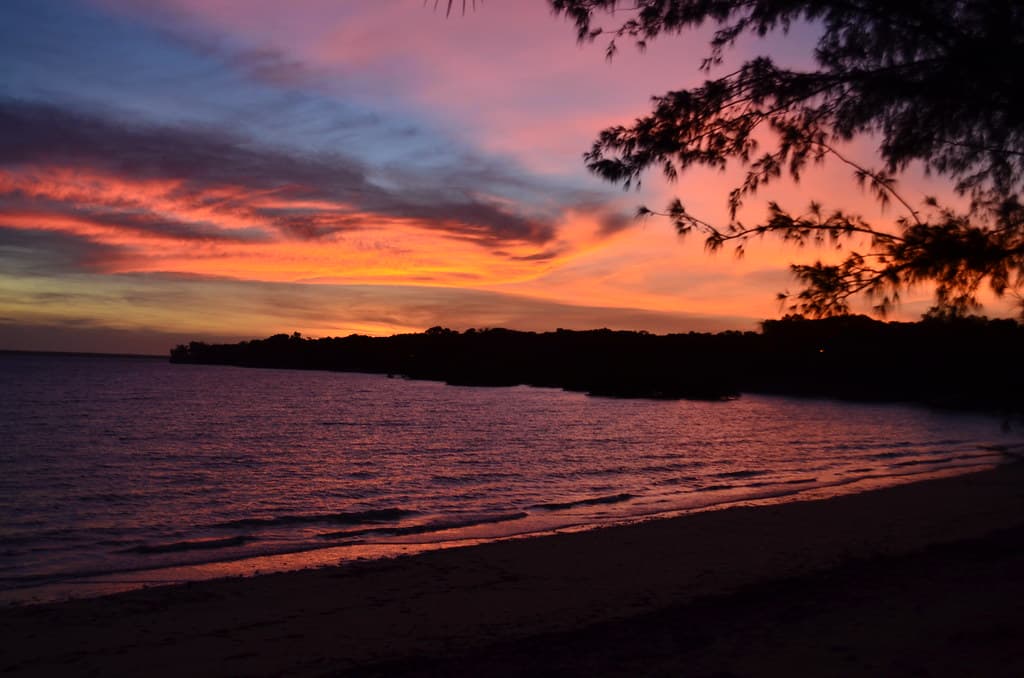
Nightcliff Beach and the adjoining Nightcliff Foreshore Park make a strong sunset outing. The beach has a rocky foreshore, while the park brings together grassy lawns, walking and cycling paths, picnic areas, ocean views and the famous Nightcliff jetty.
The appeal is the easy access to the coast without needing a strenuous hike or a full beach day. Walk or cycle along the cliff-top path, take in the water and stay for the tropical sunset. The beach and park work well together: one provides the coastline and rocky edge, the other gives you room to sit, picnic and watch the changing light.
Lee Point Beach
For a quieter coastal setting, Lee Point Beach near Casuarina offers sand, tropical coastline and natural bushland. It is a good place for a beach walk, taking in the scenery or finding a more peaceful stretch of the Top End coast.
Lee Point is best suited to visitors who want landscape rather than a busy program of facilities. The bushland-backed beach has a more natural feel, making it a useful contrast with the developed waterfront and the active Nightcliff foreshore.
Practical tips for planning your Darwin days
Use the venues by area and energy level. The waterfront, Bicentennial Park, St Mary’s Cathedral, the RFDS facility and Crocosaurus Cove can form a CBD-focused day, while Nightcliff Beach and Nightcliff Foreshore Park are better saved for late afternoon and sunset. Berry Springs and Howard Springs require a separate nature plan, and Berry Springs is around an hour south of Darwin.
For families, Leanyer Recreation Park offers the broadest mix of free activities. For history, pair the RFDS Darwin Tourist Facility with the Darwin Aviation Museum, then choose Crocosaurus Cove or The Croc Bus if wildlife is the priority. For a slower outing, choose the botanic gardens, Bicentennial Park or Lee Point Beach.
Finally, plan around Darwin’s tropical heat: shaded gardens, waterfront swimming and spring-fed parks are not interchangeable experiences, so choose the setting that suits your day. Check current conditions and venue details before setting out, particularly for natural swimming spots and guided experiences.
Featured spots
More Darwin guides
 roundup
Darwin Nightlife: The Best Bars & Live Music
From Mitchell Street cocktails to Cullen Bay sunsets, here’s how to choose Darwin bars for a relaxed, social night out.
Read guide →roundupFree Things to Do in Darwin
From tropical gardens and harbourfront walks to natural swimming holes and a free family water park, Darwin offers plenty of ways to spend a day outdoors.
Read guide →roundupDarwin With Kids: Family-Friendly Things to Do
From wave pools and free splash parks to spring-fed swimming holes, wildlife and shady coastal reserves, these are Darwin’s best family-friendly outings.
Read guide →