Things to Do in Casuarina, Darwin: The Local Guide
A local guide to Casuarina and Darwin’s best beaches, swimming spots, gardens, wildlife attractions, museums and waterfront walks.
By Darwin Spots · 19 June 2026
# Things to Do in Casuarina, Darwin: The Local Guide
Casuarina is a useful base for exploring Darwin’s northern beaches, coastal parks and family-friendly recreation, but the best of the Top End is spread well beyond the suburb itself. From Lee Point and Nightcliff to the Darwin CBD, there are beaches, swimming spots, museums, gardens and wildlife experiences within an easy day’s itinerary. The key is choosing an outing that suits the weather: a shady garden or museum in the heat, a foreshore walk when the light is soft, and a natural swimming spot when you need to cool off.
Beaches, foreshore walks and sunset scenery
Lee Point Beach
For a quieter stretch of coast near Casuarina, Lee Point Beach is one of the simplest choices. The beach is backed by natural bushland, giving it a more open, undeveloped feel than the city’s busier waterfront areas. It is worth going for a beach walk, the tropical coastal scenery and the chance to spend time outdoors without needing a packed schedule. This is a good spot when the aim is simply to see a beautiful part of the Top End coast and take things slowly.
Nightcliff Beach and Nightcliff Foreshore Park
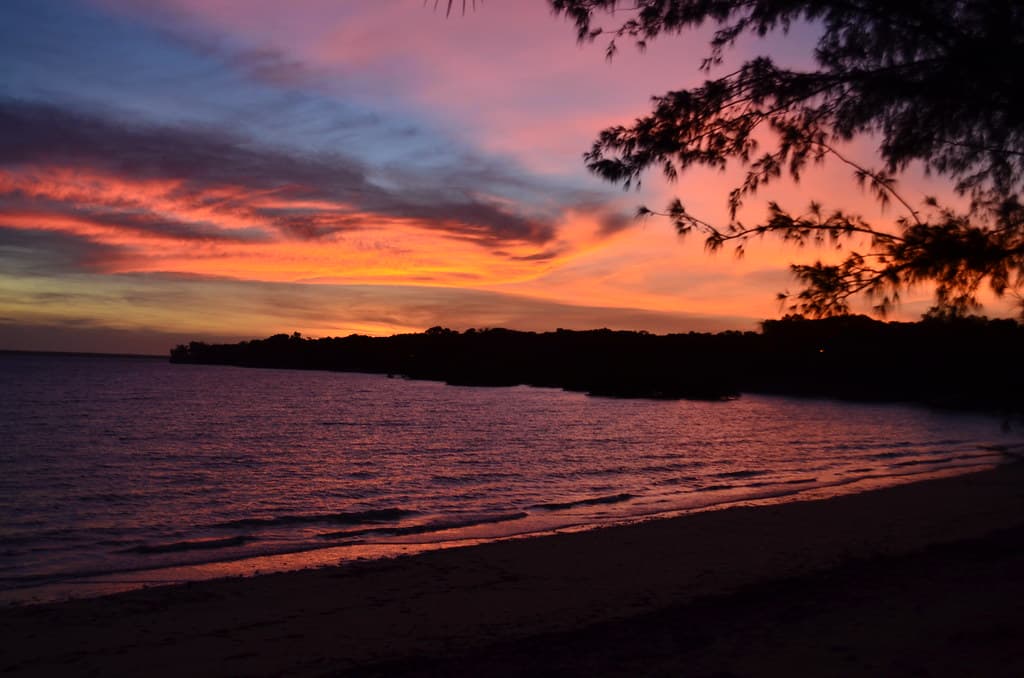
The coastline around Nightcliff works well when you want a walk with views rather than a conventional beach day. Nightcliff Beach combines a rocky foreshore with a cliff-top walking and cycling path, and its outlook over the water is particularly appealing around sunset. It has an easy, local feel: go for the scenery, the movement of the tide and a stroll along the coast.
Nearby Nightcliff Foreshore Park extends the outing with grassy areas, picnic spaces and walking and cycling paths. Its most recognisable feature is the Nightcliff jetty, while the coastal setting makes it a popular place to watch the sunset. The two venues suit a flexible afternoon: walk the foreshore, pause for the view and use the park as a place to sit rather than rushing from one attraction to the next.
Bicentennial Park
For a waterfront walk closer to the city centre, Bicentennial Park runs along the Esplanade with views across Darwin Harbour. Its lawns, shady tropical trees, walking paths and memorials make it a calmer alternative to a more activity-focused attraction. It is worth visiting for a peaceful stroll in the middle of the city, especially if you want harbour views and open space without leaving the CBD.
Cool off in the Top End
Leanyer Recreation Park
Leanyer Recreation Park is the most practical pick here for a family day built around active play. The free recreation reserve brings together a water park with slides and splash areas, a skate park, BMX track, playgrounds and barbecue areas. That mix means different ages can find something to do in the one place, and the water features are especially welcome in Darwin’s tropical climate.
It is worth allowing plenty of time rather than treating Leanyer as a quick stop. The appeal is the combination of water play, wheeled activities, playground equipment and space to settle in for a longer outing. Its facilities make it a particularly useful option when the group wants recreation rather than sightseeing.
Berry Springs Nature Park
About an hour south of Darwin, Berry Springs Nature Park is a proper day-trip option. Its clear, spring-fed pools sit among monsoon rainforest and paperbark woodland, creating a refreshing natural swimming experience and a striking contrast to the hotter, built-up parts of the city. It is worth the drive for the combination of swimming and lush Top End scenery — the kind of outing that feels like an escape rather than another city activity.
Berry Springs is one of the region’s best-known natural swimming spots and a long-time favourite with locals and visitors. If you are planning a visit around a swim, the park’s appeal lies in its natural setting as much as the water itself: shaded vegetation, spring-fed pools and the feeling of being surrounded by bush.
Howard Springs Nature Park
Howard Springs Nature Park, south-east of Darwin, offers another spring-fed swimming and picnic escape. The shady monsoon forest and cool water provide a welcome break from the tropical heat, while its relaxed, family-friendly character makes it suitable for a slower outdoor day. It is worth considering when you want the feel of a nature park without committing to a full itinerary of museums or city attractions.
The appeal is straightforward: swim, picnic and spend time under the trees. Howard Springs is a useful alternative to the coast when the priority is freshwater and shade.
Gardens and green spaces near the city
George Brown Darwin Botanic Gardens
The George Brown Darwin Botanic Gardens are in The Gardens, just outside the CBD, and offer one of the city’s most immersive green experiences. Established in the 19th century, the gardens showcase tropical and monsoonal plants across extensive landscaped grounds. It is worth going when you want a quieter, slower-paced attraction with plenty to look at beyond the usual city sights.
The gardens combine horticultural interest with the atmosphere of a tropical refuge. They are a good choice for visitors who want to understand the plants and landscapes of the Top End, or simply need a shady green setting close to central Darwin.
Wildlife, history and big Darwin stories
Crocosaurus Cove
Crocosaurus Cove sits on Mitchell Street in the CBD and puts Darwin’s crocodile story front and centre. The attraction is home to saltwater crocodiles, reptiles and other wildlife, with the renowned ‘Cage of Death’ croc dive providing the most intense option for visitors seeking a close encounter. It is worth going for a concentrated introduction to the animals that define so much of the Top End’s identity, particularly if you want wildlife viewing without travelling outside the city.
The experience ranges from seeing reptiles and crocodiles to the more extreme cage dive, so it can suit different levels of curiosity. Its central location also makes it easy to pair with the CBD’s dining and entertainment strip.
The Croc Bus
The Croc Bus, operating from Darwin City, takes a broader guided approach to the region’s wildlife and attractions. The value is in having a guided experience that connects the Top End’s crocodiles, natural surrounds and other points of interest, rather than visiting a single attraction independently. It is worth considering if you would prefer local context and an organised way to explore beyond the city streets.
This is particularly useful for visitors who want the landscape explained as they travel, or who are trying to fit several Top End highlights into one guided outing. Its focus is not just on crocodiles, but on discovering the wider region around them.
RFDS Darwin Tourist Facility
At Stokes Hill Wharf, the RFDS Darwin Tourist Facility combines two important Darwin stories. One part explores the Royal Flying Doctor Service and its role as a lifeline for outback Australia; the other brings the WWII Bombing of Darwin to life through immersive technology. It is worth visiting because the two subjects place the city in both a broader outback story and a pivotal moment in Australian wartime history.
The facility offers a more focused historical experience than a general museum visit. Choose it when you want to understand the people, service and events that shaped the Top End, rather than simply looking for another harbour viewpoint.
Darwin Aviation Museum
At Winnellie on the Stuart Highway, the Darwin Aviation Museum tells the story of aviation in a region shaped by Darwin’s frontline role during World War II. Its standout exhibit is a colossal B-52 bomber, one of very few displayed outside the United States, making it an especially memorable stop for anyone interested in aircraft, military history or the scale of the machines involved.
The museum is worth the trip for that centrepiece alone, but its broader value is the way it connects aviation with Darwin’s history and geography. It is a strong option for a hot part of the day when an indoor attraction is more comfortable than a long outdoor walk.
St Mary’s Star of the Sea Cathedral
St Mary’s Star of the Sea Cathedral, on Smith Street in the CBD, offers a quieter kind of city visit. Its distinctive tropical architecture, peaceful interior and place in Darwin’s history make it worthwhile for visitors interested in architecture, heritage or a moment of reflection. It does not require the same time commitment as the larger attractions, so it can fit naturally into a walk through the city centre.
A practical way to plan your Darwin days
Use Casuarina and the northern suburbs for beach walks, Leanyer’s recreation facilities and the coast around Lee Point and Nightcliff. Keep the CBD attractions together where possible: Crocosaurus Cove, the RFDS facility, Bicentennial Park, the cathedral and the Waterfront Precinct can form a city-focused day, while the Aviation Museum sits out at Winnellie. Save Berry Springs or Howard Springs for an outing centred on swimming and bushland.
The Darwin Waterfront Precinct is a useful city base when you want recreation, food and harbour atmosphere in one place. Its safe swimming lagoon, Wave Lagoon, restaurants, bars, parklands and convention centre make it more of an all-in-one waterfront destination than a simple lookout. It is worth including when the group wants options: some can swim or relax while others explore the surrounding precinct.
Finally, plan around the heat rather than trying to do everything at midday. Use museums, the cathedral or the botanic gardens when you want a slower break, and keep beaches, foreshore paths and natural swimming spots for the parts of the day when being outdoors is most comfortable. That balance gives you a better sense of Darwin: tropical gardens, harbour history, crocodiles, freshwater pools and a coastline that rewards taking your time.
Featured spots
More Darwin guides
 roundup
Darwin Nightlife: The Best Bars & Live Music
From Mitchell Street cocktails to Cullen Bay sunsets, here’s how to choose Darwin bars for a relaxed, social night out.
Read guide →roundupFree Things to Do in Darwin
From tropical gardens and harbourfront walks to natural swimming holes and a free family water park, Darwin offers plenty of ways to spend a day outdoors.
Read guide →roundupDarwin With Kids: Family-Friendly Things to Do
From wave pools and free splash parks to spring-fed swimming holes, wildlife and shady coastal reserves, these are Darwin’s best family-friendly outings.
Read guide →